 Discovering the Reliability of the Analog Tire Pressure Gauge
In the world of automotive maintenance, the analog tire pressure gauge stands out as a timeless tool that brings simplicity and accuracy to everyday tasks. For drivers who appreciate straightforward mechanics over digital complexities, this device offers a direct way to monitor tire pressure, ensuring safety and efficiency on the road. As we delve into its features and uses, it's clear why the analog tire pressure gauge remains a favorite among car owners and mechanics alike.
Understanding the Basics of a Tire Pressure Gauge
A tire pressure gauge is more than just a small gadget; it's the guardian of your vehicle's performance and longevity. The analog tire pressure gauge, in particular, operates on mechanical principles, using a simple needle and dial to display pressure readings without the need for batteries. This reliability makes it ideal for quick checks during long trips or in remote areas where electronics might falter. Unlike more modern alternatives, its sturdy build withstands rough handling, providing consistent results that you can trust time and again. Whether you're inflating tires at a gas station or performing routine maintenance at home, this tool ensures your tires are neither overinflated nor underinflated, which can lead to uneven wear, reduced fuel efficiency, or even dangerous blowouts.
How to Use a Tire Pressure Gauge Effectively
Learning how to use a tire pressure gauge is straightforward, yet it unlocks a world of benefits for vehicle care. Start by parking your car on a level surface and letting the tires cool down if they've been driven recently, as heat can skew readings. Remove the valve cap from the tire and press the gauge's nozzle firmly onto the valve stem, listening for a quick hiss of air that confirms a proper seal. For the analog tire pressure gauge, watch the needle as it moves to indicate the pressure level in PSI or your preferred unit. Compare this to the manufacturer's recommended pressure, usually found on a sticker inside the driver's door or in the owner's manual, and adjust accordingly using an air compressor. It's a hands-on process that gives you an immediate sense of control, and with practice, it becomes second nature. Remember to check all four tires, including the spare, to maintain balanced handling and optimal traction.
The Advantages of Choosing an Analog Tire Pressure Gauge
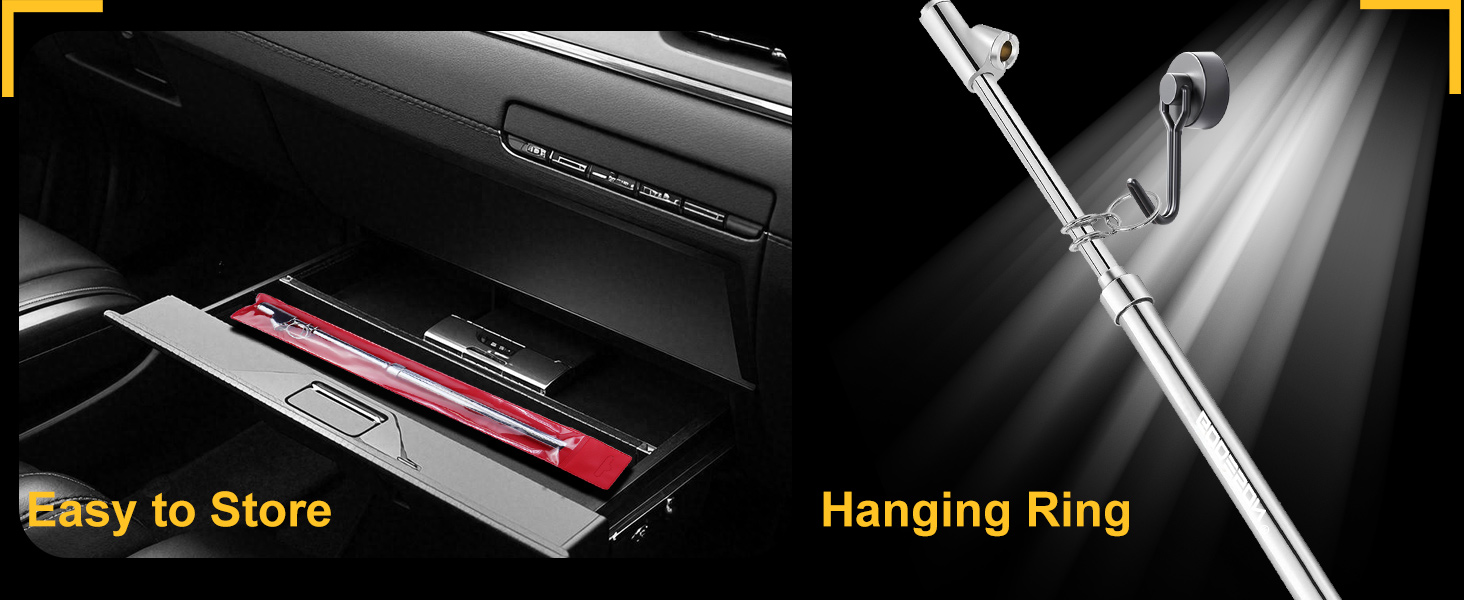
What sets the analog tire pressure gauge apart is its no-frills design that prioritizes durability and precision. Crafted from high-quality metals and plastics, it resists corrosion and damage from daily use, making it a long-lasting addition to your toolkit. The clear, illuminated dial allows for easy reading even in low light, and its compact size means it fits effortlessly in your glove compartment or toolbox. Unlike digital versions that might require calibration or suffer from battery failure, the analog model delivers instant, battery-free operation, which is crucial during emergencies. Moreover, its affordability makes it accessible for everyone, from casual drivers to professional fleets, without compromising on accuracy. By incorporating an analog tire pressure gauge into your routine, you're not just maintaining tires; you're investing in peace of mind and extending the life of your vehicle.
Comparing Analog to Digital: Why Tradition Wins
While digital tire pressure gauges have gained popularity with their backlit screens and auto-shutoff features, the analog tire pressure gauge holds its ground through sheer reliability. Imagine being stranded on a rainy night with a dead battery in your digital tool— the analog version simply works, every time. Its mechanical nature also appeals to those who enjoy the tactile feedback of pressing the gauge and seeing the needle respond in real-time. For off-road enthusiasts or those with heavy-duty trucks, the analog tire pressure gauge's robust construction handles high pressures up to 250 PSI without flinching, supporting a wide range of vehicles from sedans to SUVs. This enduring design echoes the principles of classic engineering, reminding us that sometimes, the simplest solution is the most effective.
Integrating the Analog Tire Pressure Gauge into Daily Maintenance
Incorporating how to use a tire pressure gauge into your weekly checklist can transform your driving experience. Begin with a visual inspection of your tires for any signs of wear or damage, then proceed with the gauge for precise measurements. Over time, you'll notice improvements in fuel economy as properly inflated tires reduce rolling resistance by up to 3%, according to automotive experts. For families with multiple vehicles, keeping an analog tire pressure gauge in each car ensures everyone stays safe. Seasonal changes also play a role; cold weather can drop tire pressure by 1 PSI for every 10-degree decrease in temperature, so regular checks are vital. By making this a habit, you're preventing costly repairs and enhancing overall vehicle safety, all with a tool that's been trusted for decades.
Real-World Stories and Tips from Drivers
Many drivers share tales of how an analog tire pressure gauge saved the day. Take John, a long-haul trucker, who swears by his trusty analog model for its unwavering accuracy across thousands of miles. He recounts a time when underinflated tires nearly caused a skid on a slick highway, but a quick gauge check allowed him to adjust on the spot. For beginners, start with the basics of how to use a tire pressure gauge: always hold it perpendicular to the valve to avoid leaks, and deflate slowly if needed to prevent overcorrection. Seasoned users recommend investing in one with a built-in deflator for added convenience. These personal anecdotes highlight the gauge's role not just as a tool, but as a reliable companion in the unpredictable world of driving.
Elevating Your Toolkit with Quality Choices
When selecting an analog tire pressure gauge, look for features like ergonomic grips and clear markings to enhance usability. Brands that emphasize precision, such as those with aviation-inspired designs, ensure readings within 1% accuracy, rivaling more expensive options. Pairing it with a portable air pump creates a complete roadside kit, ready for any adventure. As technology advances, the analog tire pressure gauge reminds us of the value in proven methods, blending tradition with practicality. By choosing this essential tool, you're committing to proactive care that keeps you rolling smoothly, safely, and efficiently.
In conclusion, the analog tire pressure gauge isn't just a relic of the past—it's a cornerstone of smart vehicle maintenance. Whether you're mastering how to use a tire pressure gauge or relying on its steadfast performance, it empowers you to take charge of your automotive health with confidence and ease.