Why ATsafepro Torque Wrench is Perfect for Precision Tasks

  • blog
Posted by ATSAFEPRO On Jul 08 2025

For anyone who works with machinery, from professional mechanics to dedicated DIY enthusiasts, precision is not just a goal; it's a necessity. The proper tightening of nuts and bolts is critical to the safety and functionality of any assembly. This is where a high-quality torque wrench becomes an indispensable part of your toolkit, ensuring that every fastener is secured to exact specifications, preventing damage from over-tightening or failure from under-tightening.

torque wrench, click torque wrench, how to use a torque wrench, torque wrench for automotive

The Precision of a Click Torque Wrench


Among the various types available, the click torque wrench is celebrated for its user-friendliness and accuracy. This tool is ingeniously designed to provide a clear, audible 'click' and a tactile impulse when the preset torque value is reached, signaling the user to stop applying force. This feedback mechanism removes the guesswork from tightening, making it incredibly reliable. The AtSafePro Multifunctional Torque Wrench Set exemplifies this design, featuring clear, laser-etched markings on its handle for effortless and precise calibration. Its ergonomic, knurled handle ensures a firm, no-slip grip, providing complete control as you approach the target torque, making it a superior choice for tasks demanding meticulous accuracy.

Mastering the Tool: How to Use a Torque Wrench


Knowing how to use a torque wrench correctly is key to unlocking its benefits and protecting your equipment. The process is straightforward but requires attention to detail. First, always consult the manufacturer's service manual for the specific torque value required for the fastener you are working on. Next, set this value on your wrench; on a model like the AtSafePro, this involves unlocking the handle and turning it until the scale aligns with your desired measurement. Attach the appropriate socket, using an adapter or extension bar if needed. Apply slow, steady pressure to the handle, pulling smoothly until you hear and feel the distinct click. It's crucial to stop immediately at this point to avoid overtightening. Once finished, always reset the wrench to its lowest setting to release tension on the internal spring, preserving its calibration and extending its lifespan. Following these steps will help you master how to use a torque wrench effectively.

Why a Torque Wrench for Automotive is Non-Negotiable


In the world of vehicle maintenance, using a torque wrench for automotive applications is not just best practice—it's essential for safety and performance. Components like lug nuts, engine head bolts, spark plugs, and suspension parts have critically specific torque requirements. Under-tightening lug nuts can lead to a wheel coming loose while driving, a catastrophic failure. Over-tightening can strip threads, stretch or break bolts, or warp components like brake rotors and engine heads, leading to costly repairs. A reliable tool like the AtSafePro torque wrench gives you the confidence that every crucial component is secured exactly as the manufacturer intended. Its durable chrome vanadium steel construction ensures it can handle the demanding workloads of automotive repair, making it a must-have for any serious mechanic or car owner.

Choosing a Tool Built for Excellence


The AtSafePro Multifunctional Torque Wrench Set is more than just a single tool; it's a complete solution designed for versatility and durability. The set includes essential chrome vanadium steel adapters and a flexible extension bar, expanding its compatibility and allowing you to reach tight spaces with ease. Everything is housed in a robust carrying case, keeping your investment organized and protected. When choosing your next tool, look for this combination of precision, robust construction, and thoughtful design. Equip yourself with a tool that empowers you to work smarter and with unparalleled accuracy, ensuring every project is a success.
Featured Blogs

Tag:

  • Blog
Share On
Featured Blogs
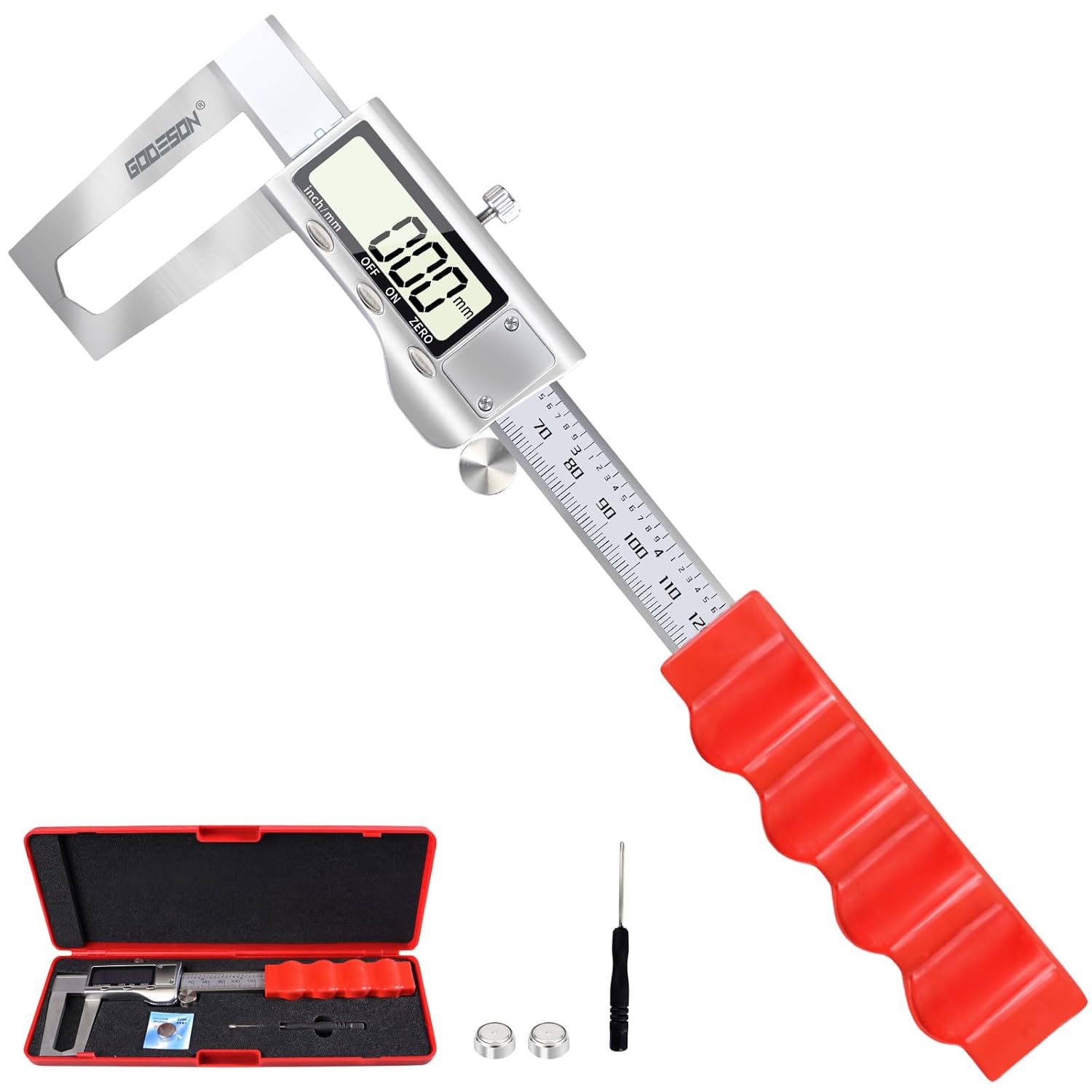
GODESON Digital Caliper: A Practical Guide for Shop Floor Measurement

GODESON Digital Caliper: A Practical Guide for Shop Floor Measurement

1. Why a digital caliper still matters on a busy shop floor 2. What the visible design tells a buyer at a glance 3. Six places where this kind of caliper earns its keep 4. Features buyers should notice before comparing price alone 5. Quick buyer checklist for sourcing teams 6. Common mistakes when buying or using a digital caliper 7. How the GODESON Digital Caliper fits into a practical tool lineup 8. FAQ buyers usually ask 9. What to do next if you are evaluating one for purchase

GODESON Digital Caliper: What Buyers Should Know Before Choosing One

GODESON Digital Caliper: What Buyers Should Know Before Choosing One

1. GODESON Digital Caliper: What Buyers Should Know Before Choosing One for the Shop 2. What this caliper is trying to solve 3. Quick takeaways for sourcing and shop use 4. Why stainless steel and IP54 matter more than they sound 5. How a digital caliper helps in day-to-day measurement 6. Selection criteria buyers should use 7. Common mistakes when buying a workshop caliper 8. FAQs about the GODESON Digital Caliper 9. Buyer advice before you place an order 10. Next step for buyers

GODESON Digital Caliper: What to Know Before Buying

GODESON Digital Caliper: What to Know Before Buying

1. Why a digital caliper choice matters more than it looks 2. What this type of caliper is designed to do 3. Where the stainless steel build helps 4. Key features buyers can evaluate quickly 5. Where IP54 really helps, and where it does not 6. How to decide whether this style fits your operation 7. Common buyer mistakes with digital calipers 8. Practical buying advice for engineering and sourcing teams 9. What to verify before purchase 10. FAQ 11. A sensible next step for buyers

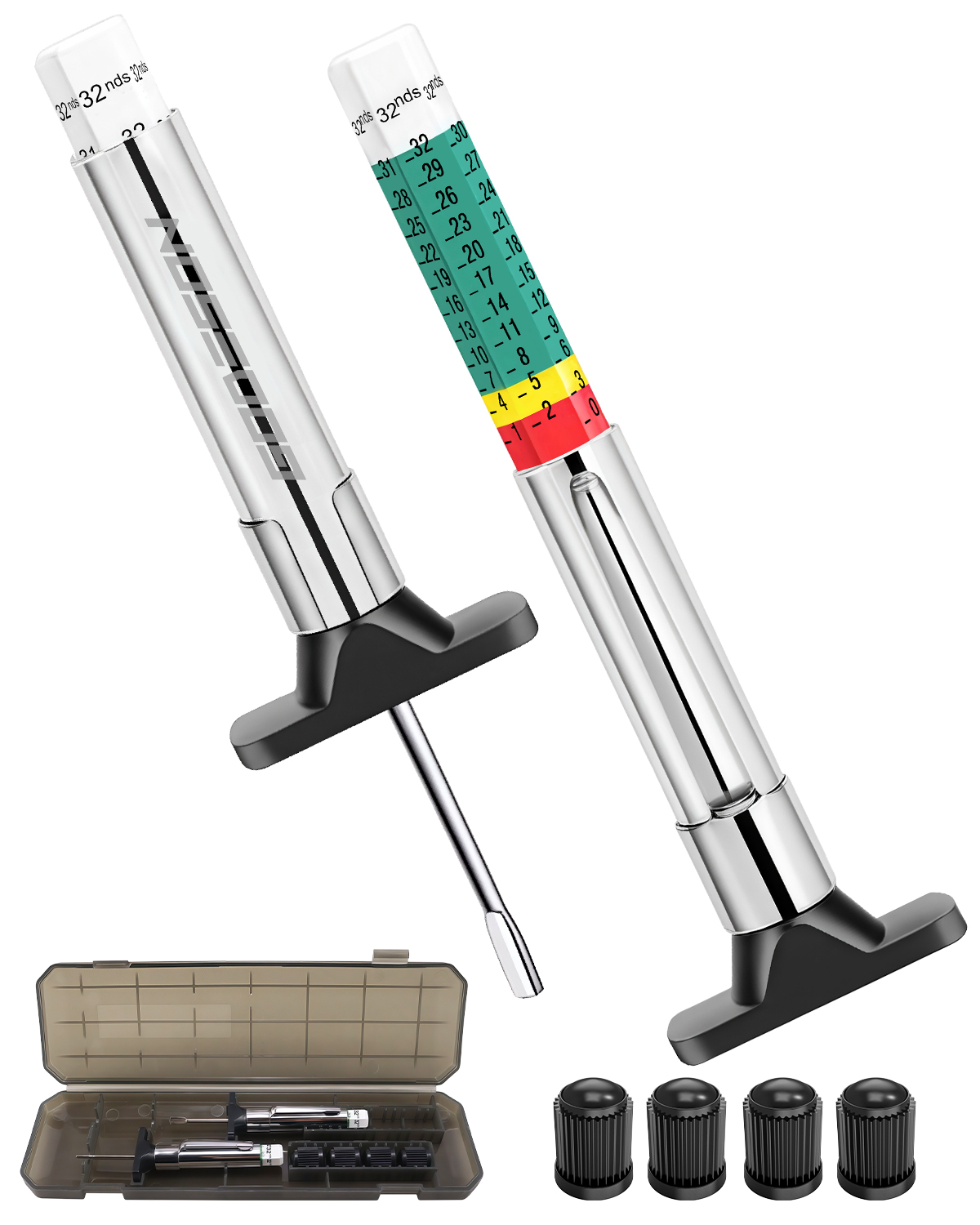
GODESON Tire Tread Depth Gauge: What It Does and Why It Matters

GODESON Tire Tread Depth Gauge: What It Does and Why It Matters

1. Why a tread depth gauge still matters when the tire looks “fine” 2. What the kit includes and what stands out 3. How a digital tread depth gauge helps the buyer make a decision 4. Key technical traits to look at before buying 5. Where this kind of gauge fits in real operations 6. Common buying mistakes with tread depth gauges 7. Practical advice for shops and fleet buyers 8. FAQ for first-time buyers 9. What a buyer should verify before placing an order 10. Next step for sourcing or shop evaluation

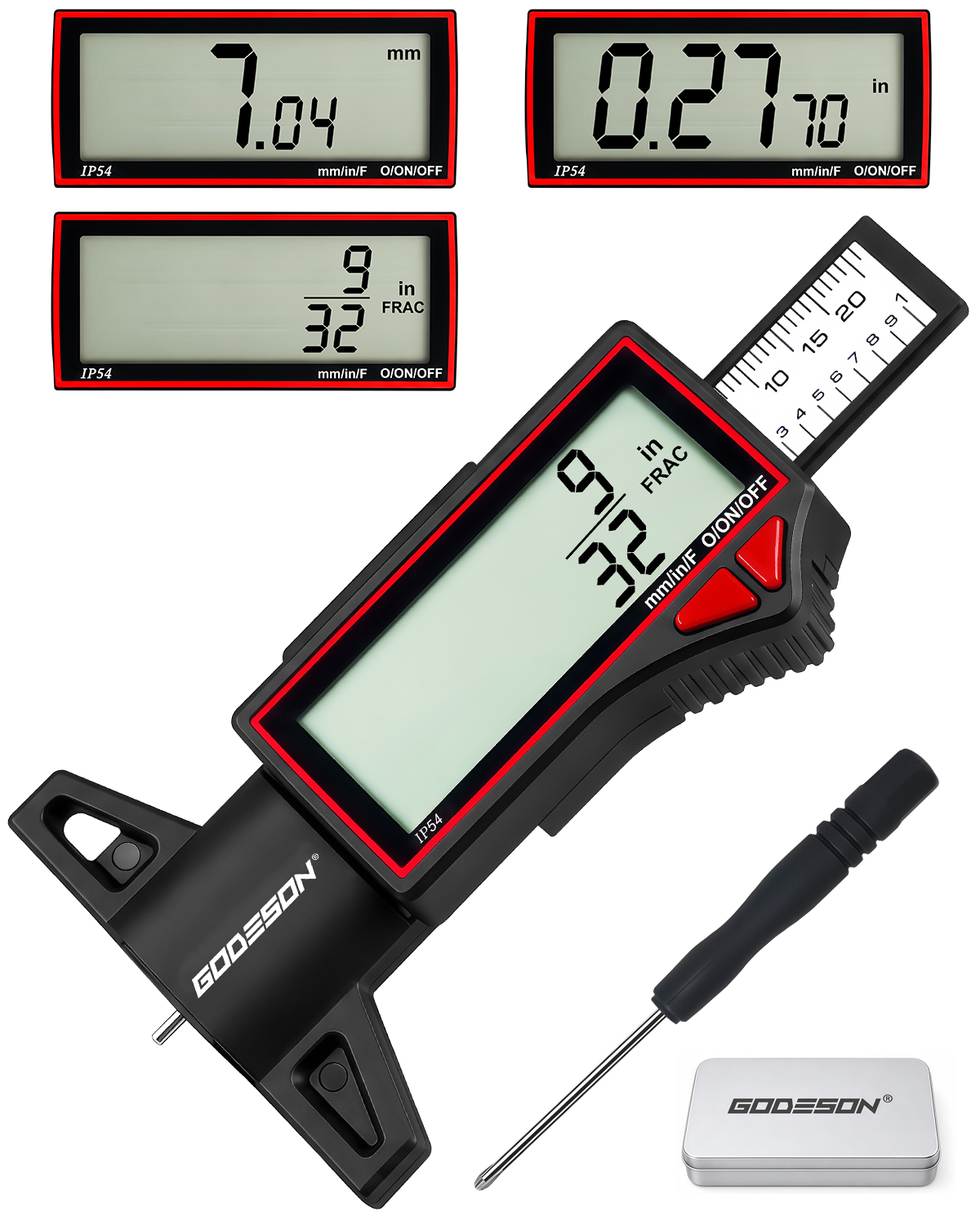
GODESON Tire Tread Depth Gauge: Digital Readings for Safer Tire Checks

GODESON Tire Tread Depth Gauge: Digital Readings for Safer Tire Checks

1. Why a tire tread depth gauge matters before wear becomes a problem 2. What this type of digital gauge is built to do 3. Quick reference: what buyers should notice first 4. How digital tread measurement fits into real workshop work 5. Material and construction cues that affect day-to-day use 6. What the included accessories tell you 7. Selection criteria for sourcing managers and repair teams 8. Common mistakes when using a tread depth gauge 9. Practical buyer advice for workshops and fleets 10. Who this tool is best suited for 11. FAQ 12. Next step for buyers

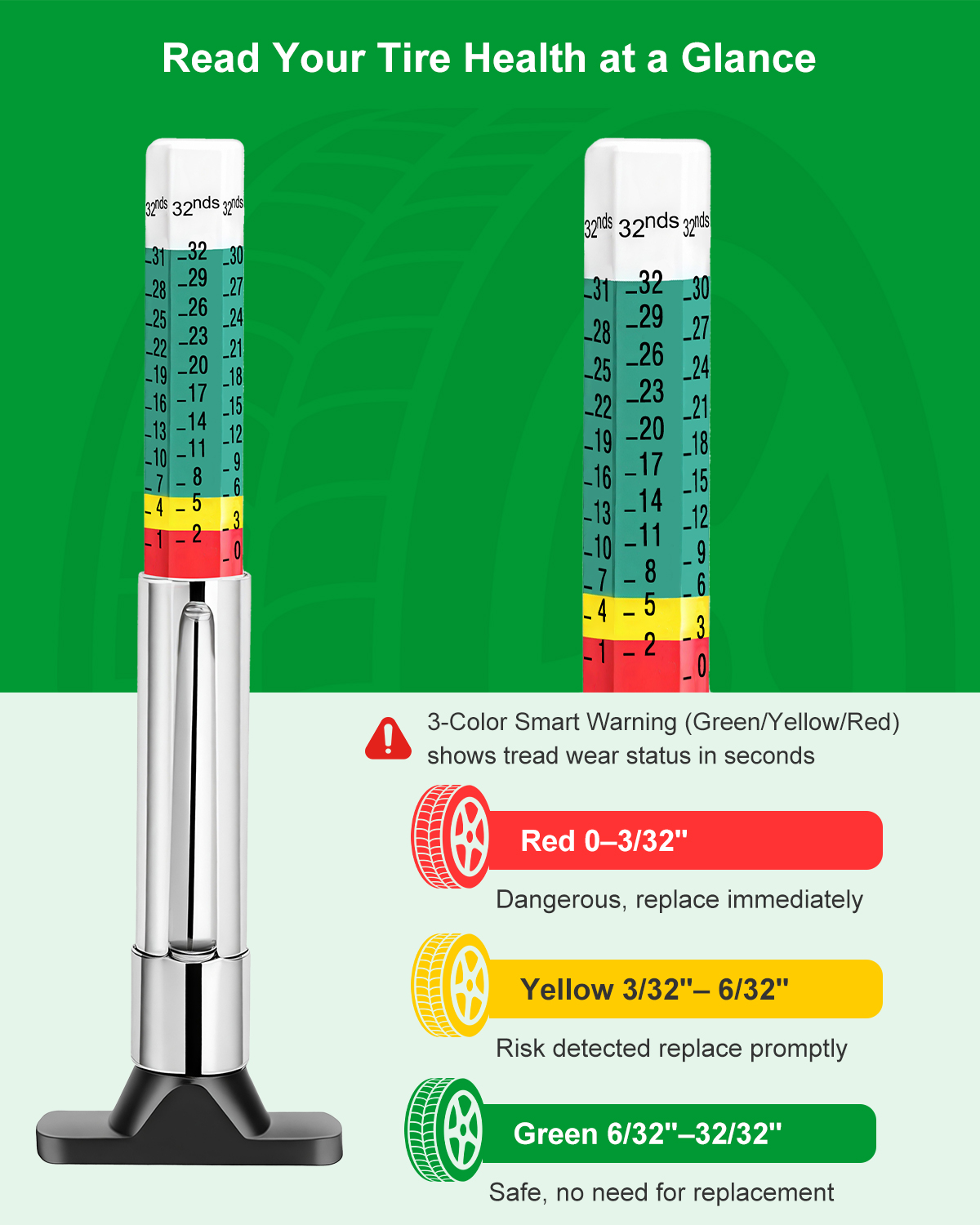
GODESON Tire Tread Depth Gauge: What Buyers Should Know

GODESON Tire Tread Depth Gauge: What Buyers Should Know

1. Why tread depth measurement deserves more attention than most shops give it 2. What this digital gauge is designed to do 3. What the numbers mean in real use 4. Where a digital tire tread gauge fits into maintenance workflows 5. Build and packaging details that signal everyday usability 6. Selection criteria buyers should actually care about 7. Common mistakes when using a tread depth gauge 8. Who this type of tool makes sense for 9. Buyer-facing takeaways before ordering 10. FAQ 11. Next step for buyers