For any serious mechanic, whether a professional or a dedicated DIY enthusiast, precision is not just a goal; it's a necessity. When it comes to fastening components, applying the correct amount of force is critical to ensure safety, performance, and longevity. This is where a high-quality torque wrench becomes an indispensable part of your toolkit, guaranteeing that every nut and bolt is tightened to exact specifications, preventing costly damage and potential failures.
A torque wrench is a specialized tool designed to apply a specific, measured turning force, or torque, to a fastener. Unlike a standard ratchet or wrench that relies on guesswork, this tool allows the user to set a precise torque value. The importance of this cannot be overstated. Under-tightening a bolt can cause it to loosen over time due to vibrations, leading to component failure. Conversely, over-tightening can strip the threads, stretch or break the bolt, or warp critical parts like engine heads or brake rotors. Using the correct tool eliminates this guesswork and ensures a secure and reliable connection every time.
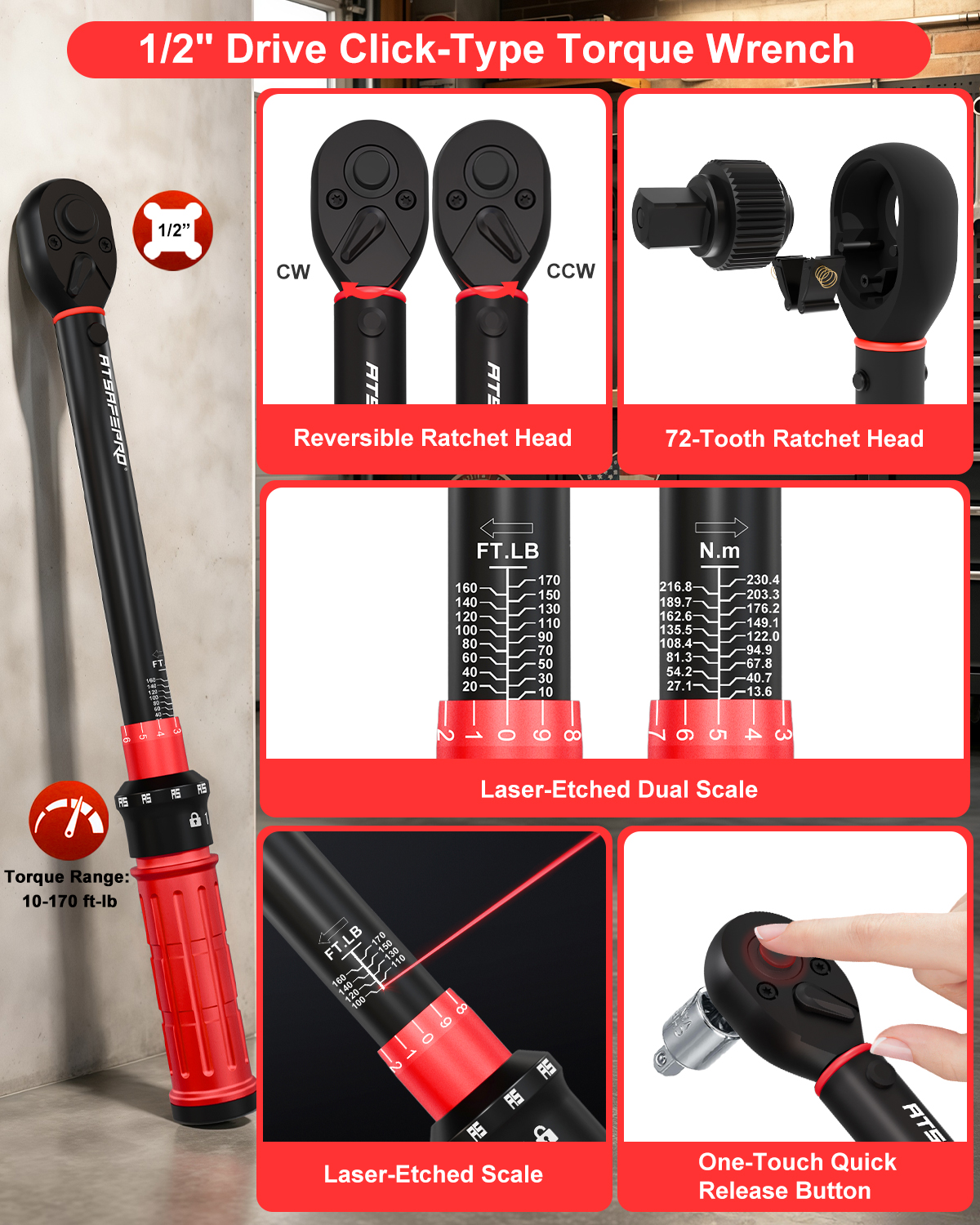
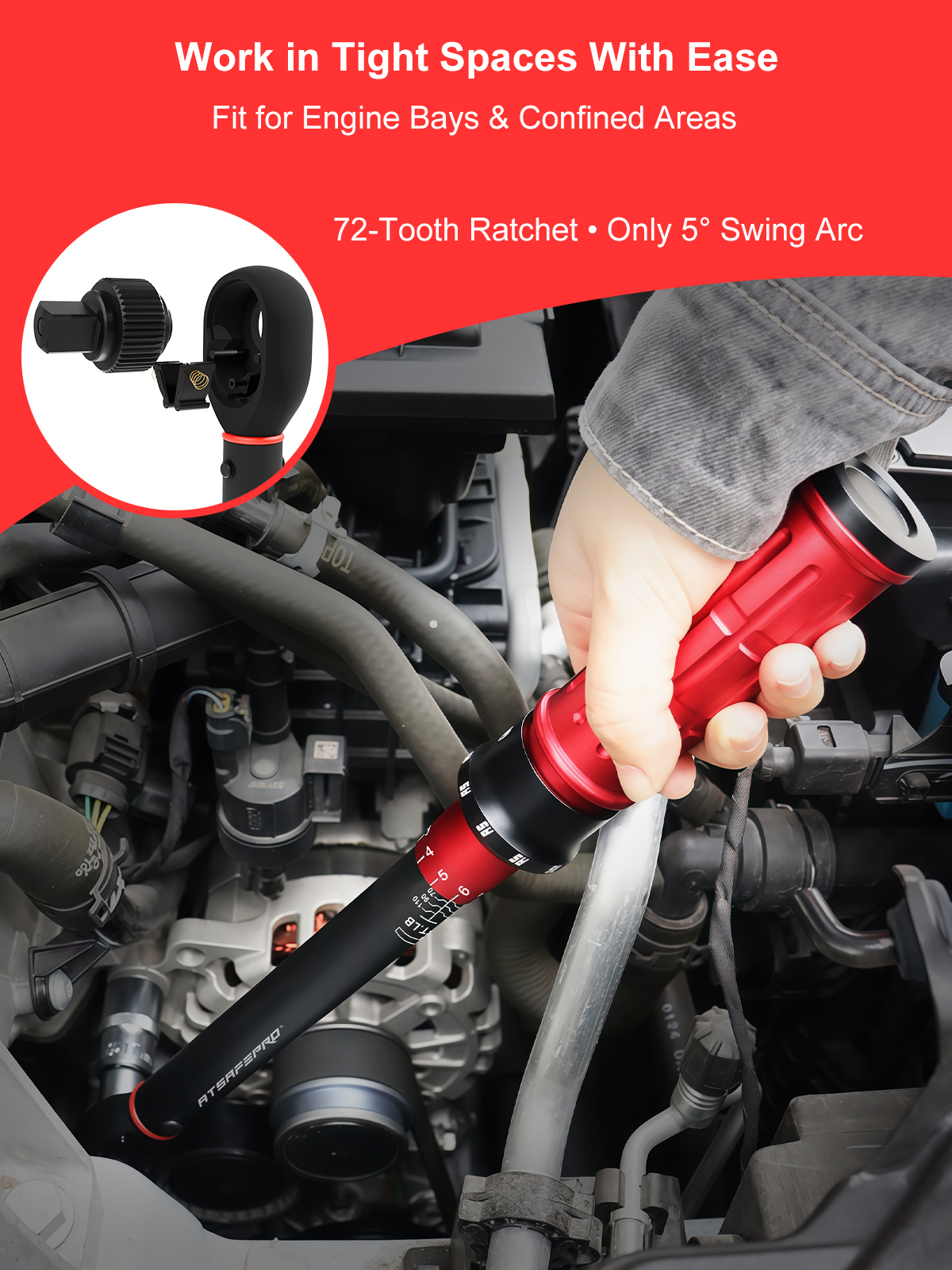
While several types of torque wrenches exist, the most common and user-friendly variant is the click torque wrench. Its popularity stems from a brilliant and simple design. The user sets the desired torque value, typically by turning the handle to align a mark with a scale etched on the tool's body. As you tighten the fastener, an internal mechanism with a calibrated spring and clutch resists the turning force. Once the preset torque is reached, the mechanism breaks away momentarily, creating an audible 'click' and a slight 'give' in the handle. This signal clearly tells the operator to stop applying force, making it an accurate and convenient choice for a wide range of applications.
Knowing how to use a torque wrench properly is just as important as owning one. The process is straightforward but requires attention to detail. First, always consult the service manual for your vehicle or equipment to find the manufacturer's recommended torque specification for the specific fastener you are working on. Next, adjust your click torque wrench to this value and lock the handle. Fit the correct size socket and place it securely on the nut or bolt. Apply steady, smooth pressure to the handle, pulling until you hear and feel the distinct click. It is crucial to stop immediately at the click; continuing to pull will apply excess torque. After you're done, always remember to turn the wrench back to its lowest setting for storage to relieve tension on the internal spring and maintain its accuracy for years to come.
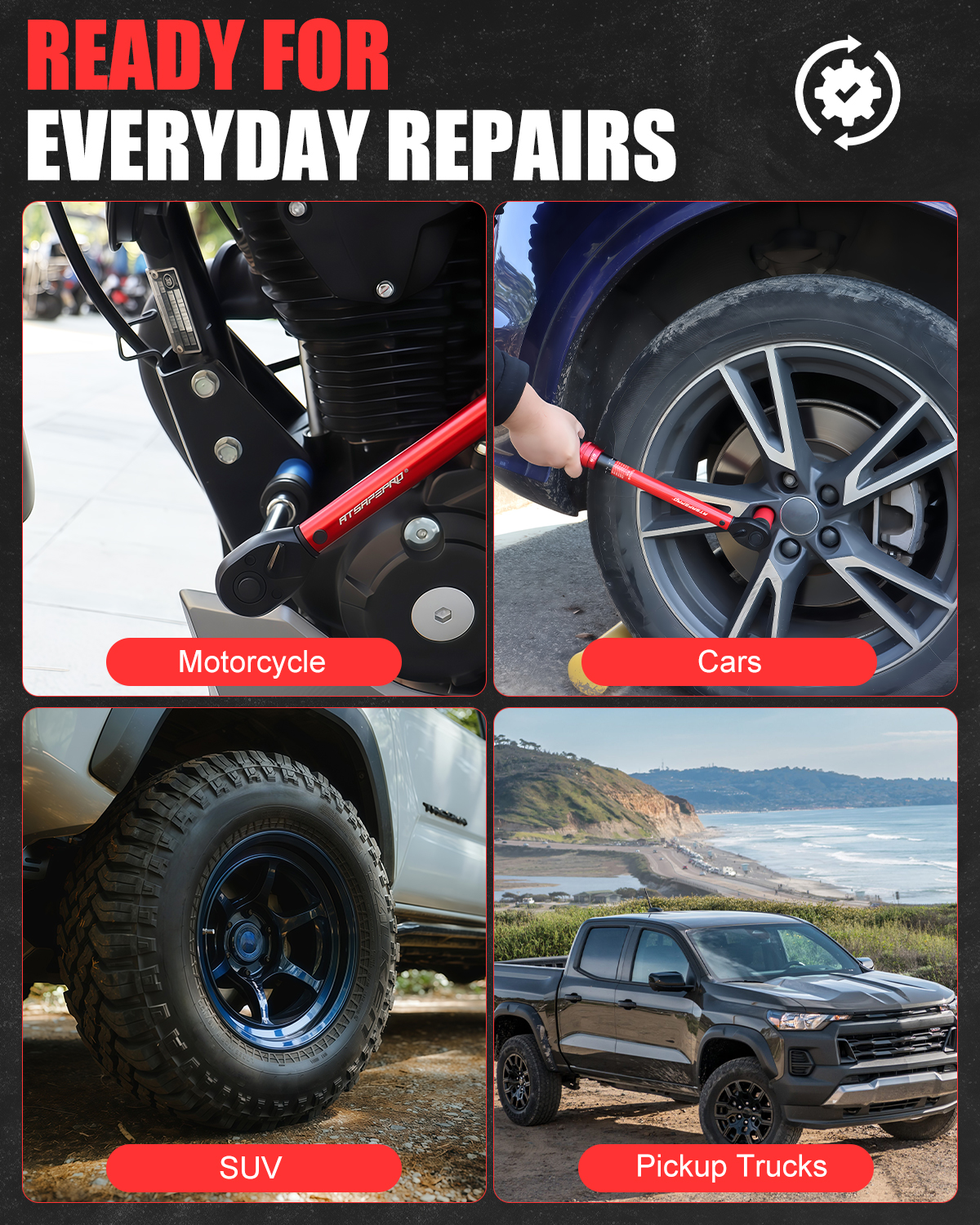
In the automotive world, the proper torque wrench for automotive repairs is not a luxury, but a fundamental requirement for countless jobs. A classic example is tightening the lug nuts on a wheel. Uneven or incorrect torque can lead to a warped brake rotor, causing a pulsation when you brake. For engine work, such as installing a cylinder head or main bearing caps, precise torque is absolutely critical to ensure a proper seal and prevent catastrophic engine damage. From suspension components and oil drain plugs to spark plugs, almost every critical fastener on a modern vehicle has a specific torque value. Utilizing the right tool ensures the vehicle remains safe, reliable, and performs as the manufacturer intended.
Understanding the Essential Torque Wrench
A torque wrench is a specialized tool designed to apply a specific, measured turning force, or torque, to a fastener. Unlike a standard ratchet or wrench that relies on guesswork, this tool allows the user to set a precise torque value. The importance of this cannot be overstated. Under-tightening a bolt can cause it to loosen over time due to vibrations, leading to component failure. Conversely, over-tightening can strip the threads, stretch or break the bolt, or warp critical parts like engine heads or brake rotors. Using the correct tool eliminates this guesswork and ensures a secure and reliable connection every time.
Exploring the Click Torque Wrench
While several types of torque wrenches exist, the most common and user-friendly variant is the click torque wrench. Its popularity stems from a brilliant and simple design. The user sets the desired torque value, typically by turning the handle to align a mark with a scale etched on the tool's body. As you tighten the fastener, an internal mechanism with a calibrated spring and clutch resists the turning force. Once the preset torque is reached, the mechanism breaks away momentarily, creating an audible 'click' and a slight 'give' in the handle. This signal clearly tells the operator to stop applying force, making it an accurate and convenient choice for a wide range of applications.
How to Use a Torque Wrench Correctly
Knowing how to use a torque wrench properly is just as important as owning one. The process is straightforward but requires attention to detail. First, always consult the service manual for your vehicle or equipment to find the manufacturer's recommended torque specification for the specific fastener you are working on. Next, adjust your click torque wrench to this value and lock the handle. Fit the correct size socket and place it securely on the nut or bolt. Apply steady, smooth pressure to the handle, pulling until you hear and feel the distinct click. It is crucial to stop immediately at the click; continuing to pull will apply excess torque. After you're done, always remember to turn the wrench back to its lowest setting for storage to relieve tension on the internal spring and maintain its accuracy for years to come.
The Indispensable Torque Wrench for Automotive Work
In the automotive world, the proper torque wrench for automotive repairs is not a luxury, but a fundamental requirement for countless jobs. A classic example is tightening the lug nuts on a wheel. Uneven or incorrect torque can lead to a warped brake rotor, causing a pulsation when you brake. For engine work, such as installing a cylinder head or main bearing caps, precise torque is absolutely critical to ensure a proper seal and prevent catastrophic engine damage. From suspension components and oil drain plugs to spark plugs, almost every critical fastener on a modern vehicle has a specific torque value. Utilizing the right tool ensures the vehicle remains safe, reliable, and performs as the manufacturer intended.