In any high-performance field, from automotive repair to aerospace engineering, precision is not just a goal; it is the absolute standard. The integrity of an entire structure can depend on a single bolt being tightened to the correct specification. This is where the torque wrench becomes an indispensable part of any serious toolkit. It is the only tool that can guarantee the application of a specific, measured rotational force, or torque, preventing the catastrophic failures that come from over-tightening or the unreliability that stems from under-tightening. As technology evolves, so do the tools we rely on, leading craftsmen to choose between the steadfast reliability of traditional designs and the pinpoint accuracy of modern innovations.
Understanding the Classic: The Mechanical Torque Wrench
For generations, professionals have placed their trust in the mechanical torque wrench. Its design is a marvel of engineering simplicity and durability. The most common type, the click-style wrench, uses an internal calibrated clutch mechanism. As you apply force, the wrench resists until the preset torque value is reached, at which point the mechanism breaks away slightly, producing an audible and tactile "click." This immediate feedback is incredibly intuitive, letting the user know the job is done without ever looking at a dial. This type of tool requires no batteries, is resistant to workshop bumps and drops, and provides a level of reliability that has made it a staple in garages and hangars around the world. Its robust nature means it can be counted on for years of consistent service, making the mechanical torque wrench a true workhorse.
Embracing Innovation: The Digital Torque Wrench
On the other end of the spectrum is the modern digital torque wrench. This tool represents the cutting edge of precision measurement, replacing mechanical springs and clutches with electronic strain gauges and a microprocessor. The result is an instrument of incredible accuracy. Instead of relying on a physical click, the user sets the target torque on an LCD screen and is alerted by visual cues, audible beeps, or even a vibrating handle when the value is reached. A key advantage of the digital torque wrench is its versatility. It can effortlessly switch between different units of measurement, such as N.m, IN.LB, and FT.LB, and often includes advanced features like peak torque memory and data logging. For critical applications like engine assembly or carbon fiber bicycle components, where torque tolerances are razor-thin, the assurance provided by a digital display is often non-negotiable.
Introducing a New Standard in Precision Engineering
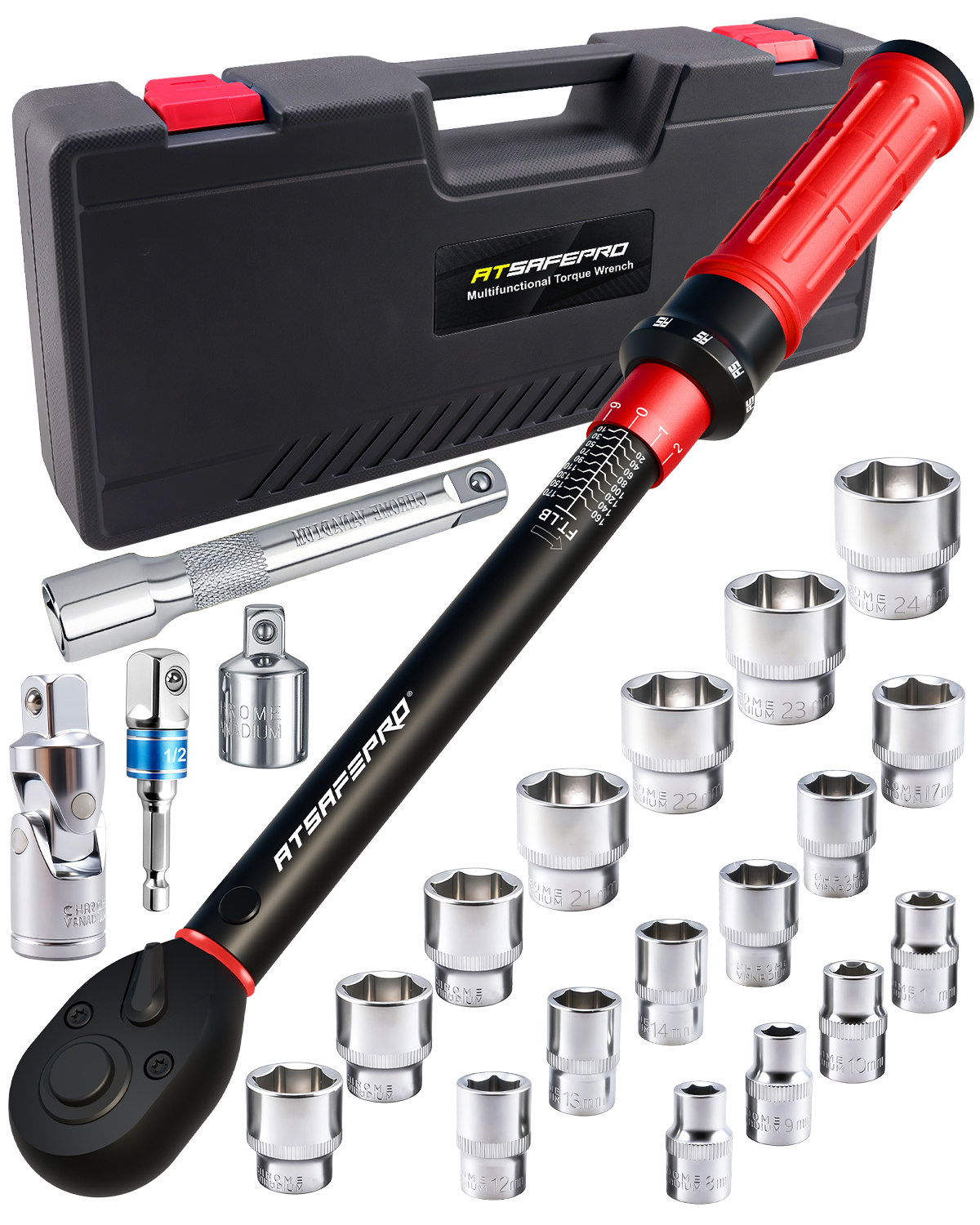
Choosing between the rugged feel of a mechanical tool and the fine-tuned accuracy of a digital one has long been a consideration for technicians. But what if a single tool could offer the intuitive handling and robust build of a classic design while providing the versatile, wide-ranging precision required for a multitude of modern tasks? We are proud to introduce a tool engineered to do exactly that. Our newly designed Dual-Range Torque Wrench is the culmination of thoughtful engineering, created for the craftsman who refuses to compromise. It bridges the gap between raw strength and delicate precision, offering a singular, elegant solution for a vast array of applications.
Design and Functionality: A Closer Look
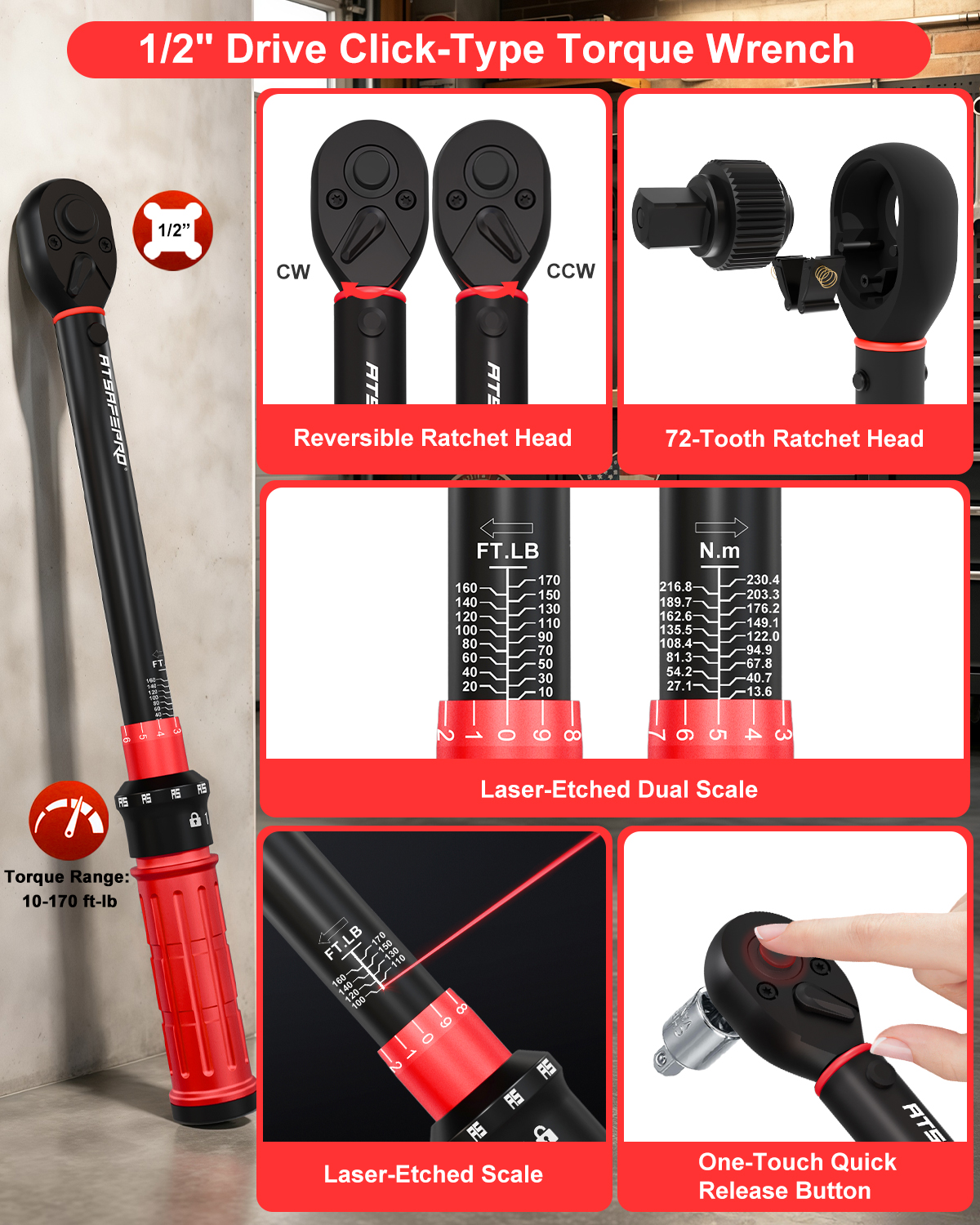
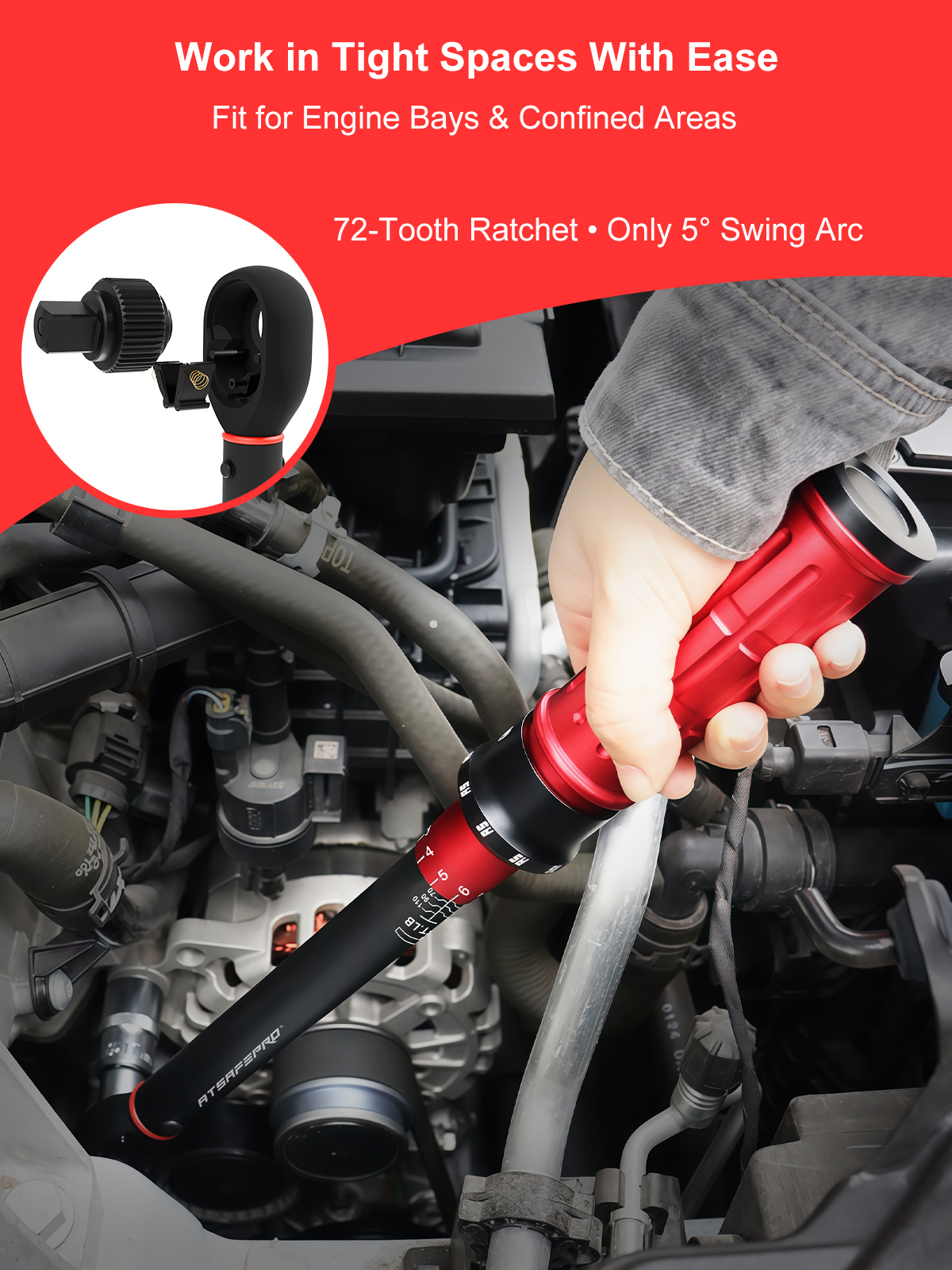
This remarkable torque wrench is meticulously crafted to be both a pleasure to use and a pinnacle of performance. Measuring a sleek 29.5 cm (11.6 inches), it is perfectly balanced for control and access in tight spaces. Its most revolutionary feature is the Dual-Range Design, which equips it with two distinct, highly accurate measurement gradients: IN.LB and N.m. This isn't simply a conversion; it's two optimized scales on one tool. The IN.LB scale provides an expansive range from 20 to 240, ideal for the delicate, low-torque applications found in electronics, plastic assemblies, and intricate engine components. Simultaneously, the N.m scale spans from 2.3 to 27.1, providing the strength needed for heavier machinery, automotive suspension work, and industrial maintenance. The finely calibrated adjustment ring allows for swift, secure setting of your desired torque, locking it in place to prevent accidental changes mid-task. This is all housed within a body featuring an ergonomic grip and a striking red finish that signifies both its durability and its status as a premium tool.
The Indispensable Tool for Professionals and Enthusiasts
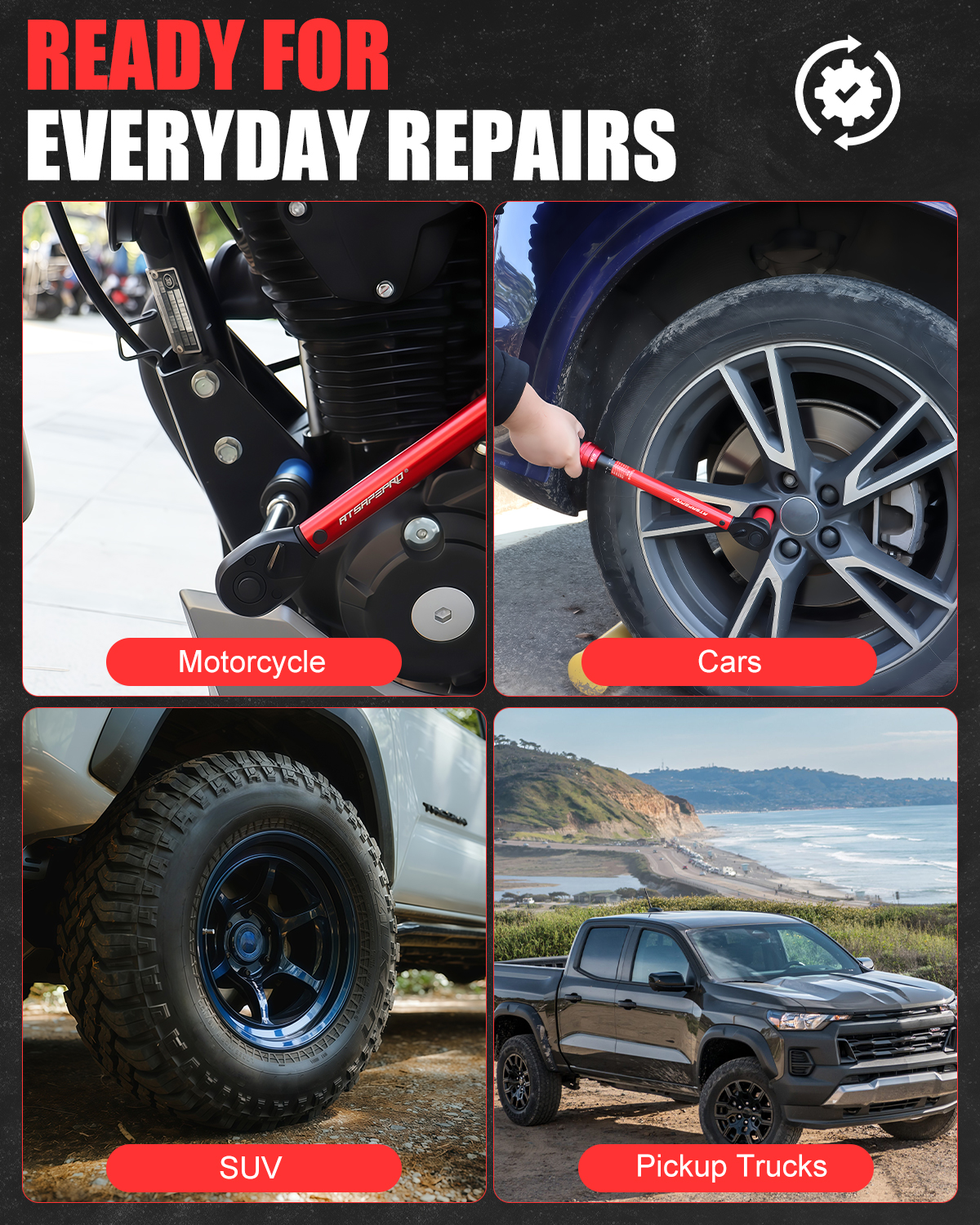
Whether you are a professional technician whose livelihood depends on accuracy or a dedicated DIY enthusiast who believes in doing the job correctly, this tool is a vital addition to your collection. The cost of a stripped bolt thread, a cracked component, or a failed gasket far outweighs the investment in a proper instrument. Our Dual-Range Torque Wrench eliminates the need for multiple, specialized tools, streamlining your workflow and ensuring you always have the right capability at hand. It provides the confidence to tackle any job, from a simple oil change to a complex assembly, knowing that every single fastener is secured to its exact engineering specification. It embodies the synergy of form and function, delivering reliability that you can feel in your hands and results that you can depend on for years to come.
Elevate Your Craft with Uncompromising Accuracy
Ultimately, great workmanship is defined by an attention to detail that others might overlook. Securing a fastener to the correct torque is one of those critical details. It is the foundation of safety, reliability, and performance. Our Dual-Range Torque Wrench was not just designed to meet standards but to elevate them. It offers the perfect synthesis of sophisticated design, robust construction, and wide-ranging, pinpoint accuracy. Stop guessing and start knowing. Experience the confidence that comes from using a tool engineered for excellence and elevate your craft to a new level of professionalism and precision.