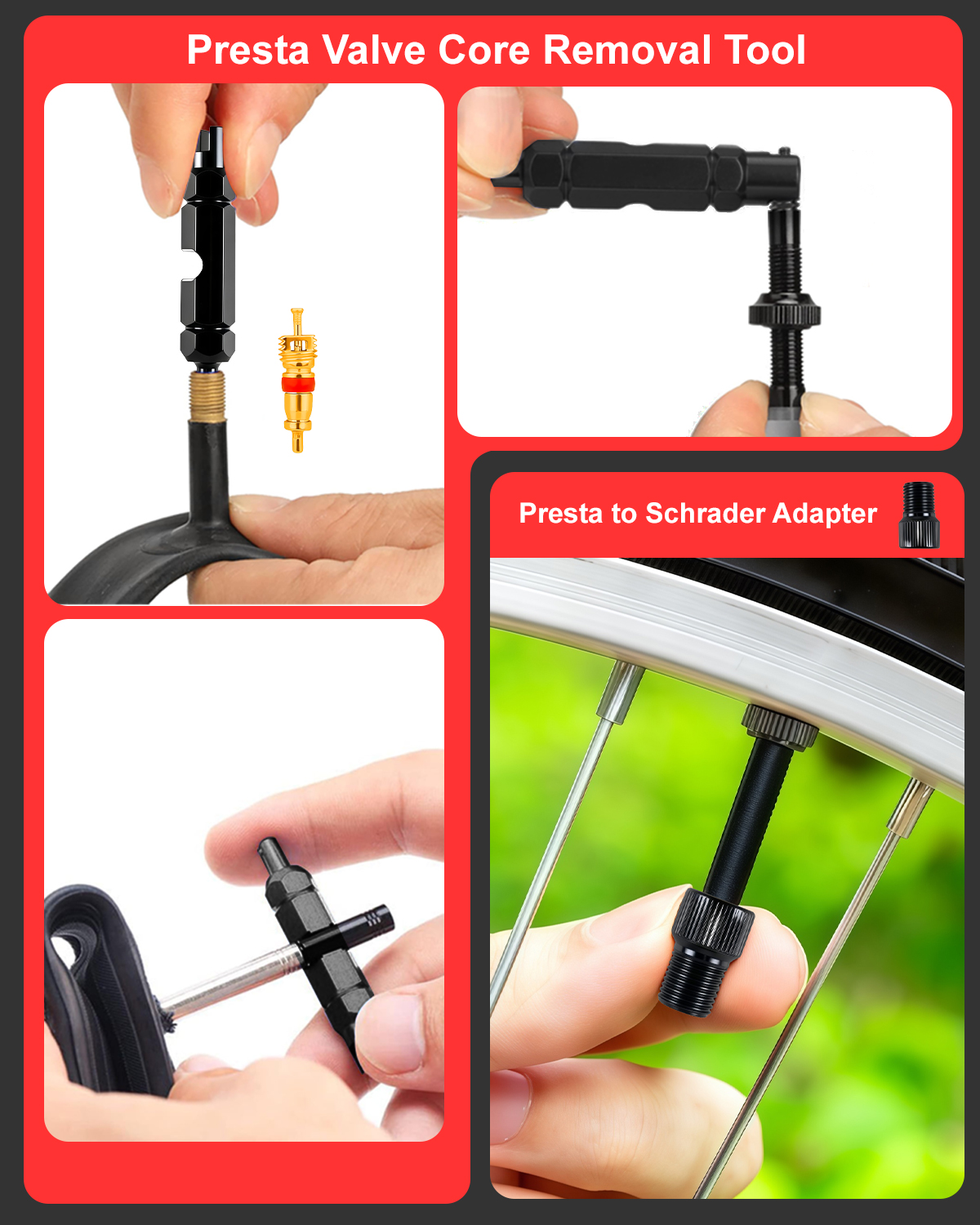
Step 1: Find Your Recommended Pressure
This is the most important step! Do not use the number on the tire's sidewall. That is the maximum pressure the tire can hold, not the recommended pressure for your vehicle.
Find the manufacturer's recommended tire pressure (in PSI) on a sticker located on the driver's side door jamb, inside the glove box, or on the fuel filler door. It's often different for front and rear tires!
Step 2: Check Cold Tires
"Cold" means the car has been parked for at least three hours or driven less than a mile. Tire pressure increases as the tires heat up from driving, giving you a false reading.
Step 3: Remove the Valve Cap
Unscrew the little black cap on the tire's valve stem and put it somewhere you won't lose it (like your pocket).
Step 4: Get a Reading
-
Digital/Pencil Gauge: Press the gauge firmly and squarely onto the valve stem. You'll hear a brief hiss of air. Hold it steady until the reading on the screen stabilizes (digital) or the stick stops moving (pencil).
-
Dial Gauge: Press it firmly onto the valve stem. The needle will shoot up and stabilize. Ensure you are looking directly at the dial to avoid parallax error.
Step 5: Inflate or Deflate as Needed
If the pressure is low, use an air compressor to add air, checking frequently with your gauge. If it's too high, gently press the center pin inside the valve stem with your gauge or a tool to release air, re-checking until it's perfect.
Step 6: Re-check and Replace Cap
Once you've reached the correct pressure, do a final check. Then, don't forget to screw the valve cap back on tightly to keep out dust and moisture.
That's it! A 5-minute monthly ritual for safer, cheaper driving.